
Protecting Developing Eyes: Blue Light Blocking Glasses for Kids
Between virtual classrooms, weekend gaming sessions, and educational apps, children spend more time looking at digital displays than ever before. While technology opens incredible doors for learning and play, it also introduces a new challenge for growing eyes. High-energy visible (HEV) blue light emitted from tablets, laptops, and TVs can lead to screen fatigue, restless nights, and unnecessary physical discomfort. Investing in reliable blue light blocking glasses for kids is an effective way to protect your child's visual wellness while keeping up with today's digital demands.
Every parent wants to shield their child from potential harm, whether that means applying sunscreen before playing outside or strapping on a helmet for a bike ride. However, digital eye strain often sneaks up unnoticed. Children rarely report that their eyes feel dry or tired; instead, they might become irritable, struggle to concentrate on homework, or have trouble falling asleep at night. Understanding how screen time impacts your child and taking proactive steps to mitigate it helps ensure their eyes stay healthy and comfortable throughout their visual development.

Understanding Digital Eye Strain in Children
A child’s eyes are still developing, making them far more sensitive to light exposure than adult eyes. The crystalline lens inside a young eye is clearer, allowing more blue light to reach the delicate retina at the back of the eye. Combined with the fact that children tend to hold screens much closer to their faces than adults do, the strain on their optical muscles can add up quickly.
When kids focus on a screen, their blink rate drops by up to 50 percent. This rapid reduction in blinking leads to dry, irritated eyes and temporary blurred vision. Additionally, constant close-up focusing forces the eye muscles to work overtime, leading to fatigue that can easily affect a child's mood and focus during schoolwork.
Common Signs Your Child Experiences Screen Fatigue
- Because kids don't always connect physical discomfort to their screen habits, parents need to watch for subtle behavioral cues. Look out for these frequent warning signs:
- Frequent Eye Rubbing or Excessive Blinking: A clear indication that their eyes are feeling dry, overworked, or irritated.
- Complaints of Headaches: Pain centered around the temples or behind the eyes after completing online schoolwork or gaming.
- Holding Devices Excessively Close: Leaning in too near to a display to force focus on small text or moving graphics.
- Shorter Attention Span During Digital Tasks: Frustration or restlessness that sets in shortly after starting screen-based activities.
- Difficulty Falling Asleep: A noticeable delay in winding down at night, even when they appear physically tired.

The Link Between Blue Light and Nighttime Restlessness
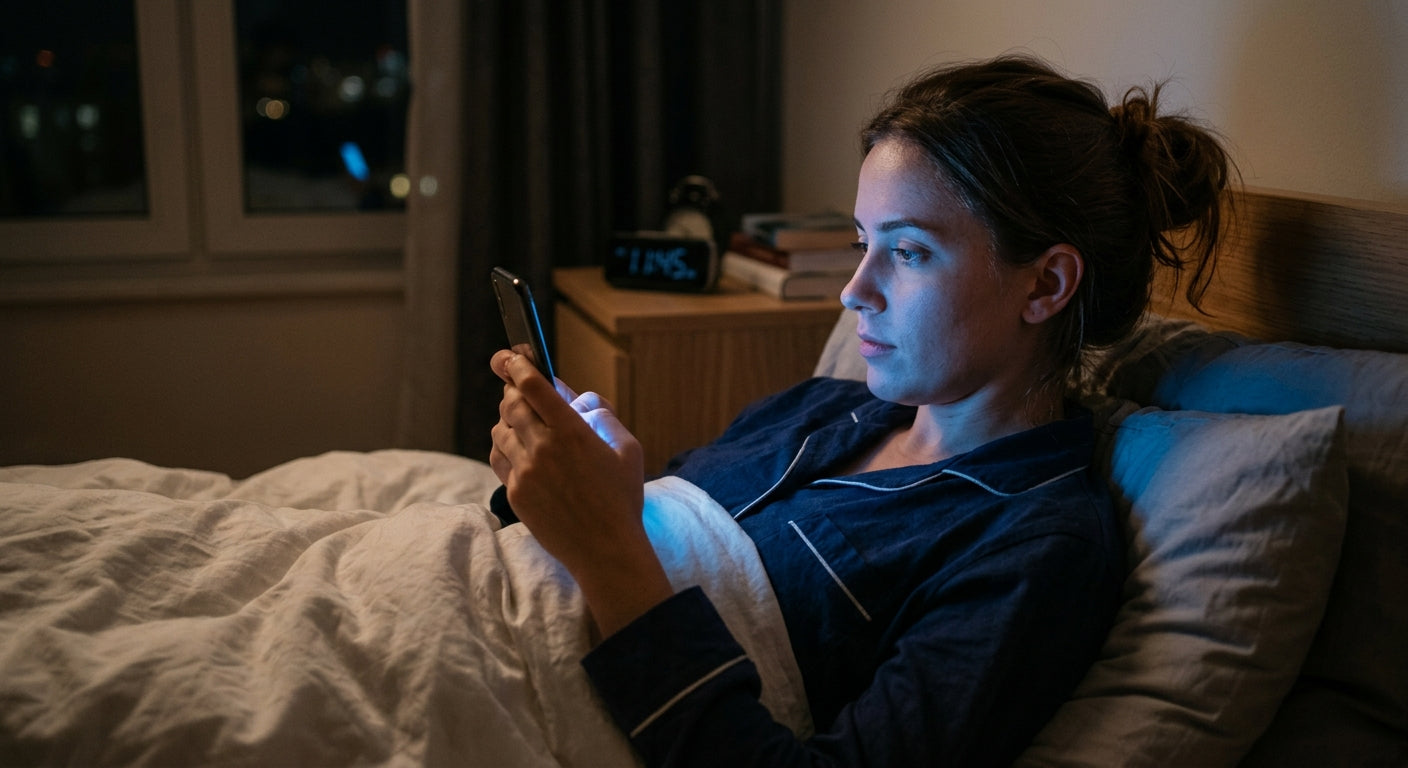
Beyond physical strain, screen exposure directly impacts a child’s natural sleep cycle. Blue light acts as a natural signal to the brain that it is daytime. When children use screens in the evening, this high-energy light suppresses the production of melatonin the hormone responsible for preparing the body for restful sleep.
Interrupting melatonin production makes it difficult for a child's mind to signal that it is time to wind down. Poor sleep quality affects everything from nighttime recovery to daytime emotional regulation, memory retention, and immune function. Reducing evening exposure to bright screens gives their internal clock the chance to reset naturally.
Practical Strategies for Protecting Young Eyes at Home
Managing screen time doesn't mean removing digital devices from your family's life entirely. Instead, adopting simple, balanced routines helps cultivate healthy digital habits that protect your child’s vision for the long term.
1. Implement the 20-20-20 Rule
Encourage your child to take regular breaks during long study sessions or gaming blocks. Every 20 minutes, have them look away from the screen at an object at least 20 feet away for at least 20 seconds. This simple habit allows the focusing muscles inside the eye to fully relax.
2. Set Up an Ergonomic Study Space
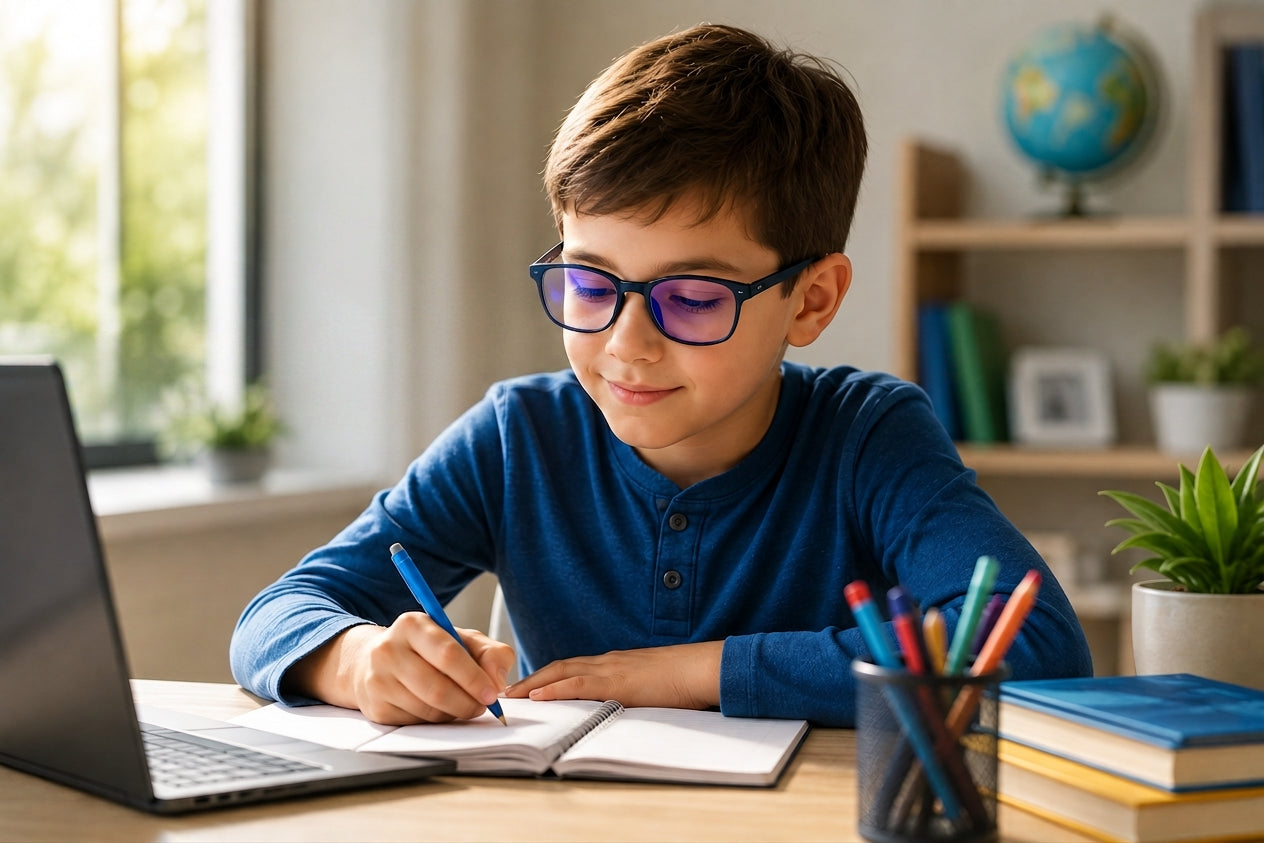
Position your child's desk so that ambient room light is balanced. Avoid placing screens directly in front of bright windows, which creates harsh glare and forces the eyes to work harder. The top of the screen should sit slightly below their eye level, encouraging a natural, comfortable posture.
3. Establish a Digital Curfew
Turn off all screens at least one hour before bedtime. Replacing tablet time with reading physical books, drawing, or family conversations allows melatonin levels to rise naturally, preparing your child for a deep, restorative sleep.
4. Provide Everyday Protective Eyewear
For necessary screen hours, equipping your child with quality blue blocker glasses adds a reliable barrier against glare and HEV light. Specialized protective options like Safe-Glasses® Junior are tailored specifically for young faces, combining impact-resistant lenses with an anti-reflective coating that shields developing eyes without interfering with clear vision.
What to Look For in Kids Protective Eyewear
Children need glasses that can keep up with their active, unpredictable days. Standard adult frames scaled down to smaller sizes rarely work well; kids require eyewear built specifically for their unique comfort and safety needs.
Feature |
Why It Matters for Kids |
| Lightweight, Durable Frames | Ensures the glasses stay comfortable during long study sessions and remain intact during accidental drops or active play. |
| Impact-Resistant Lenses | Delivers essential safety during daily wear, guarding against unexpected bumps or accidental impacts. |
| Anti-Reflective Coating | Cuts down on harsh surface glare from overhead lighting and bright displays to prevent immediate visual fatigue. |
| Customized Styles & Fits | Appealing designs like bright colors or high-contrast gaming lenses make children excited to wear their protective glasses regularly. |
Finding a frame style that fits your child's unique personality makes all the difference. Options like the colorful SA8140 in vibrant purple, the classic Round SA8146, or the bold SAs8140 in red give kids a sense of ownership over their eye safety. For hobbies that demand intense concentration, specialty choices like the Gaming Anti-blue light yellow lens (SA8856) offer high contrast for long creative sessions, while sturdy frames like the SA802 offer everyday durability.

Creating a Complete Safety Environment for Your Family
Protecting your child’s vision works best when treated as a holistic family commitment. When kids see their parents practicing smart screen habits and taking eye health seriously, they are far more likely to adopt those same healthy routines themselves.
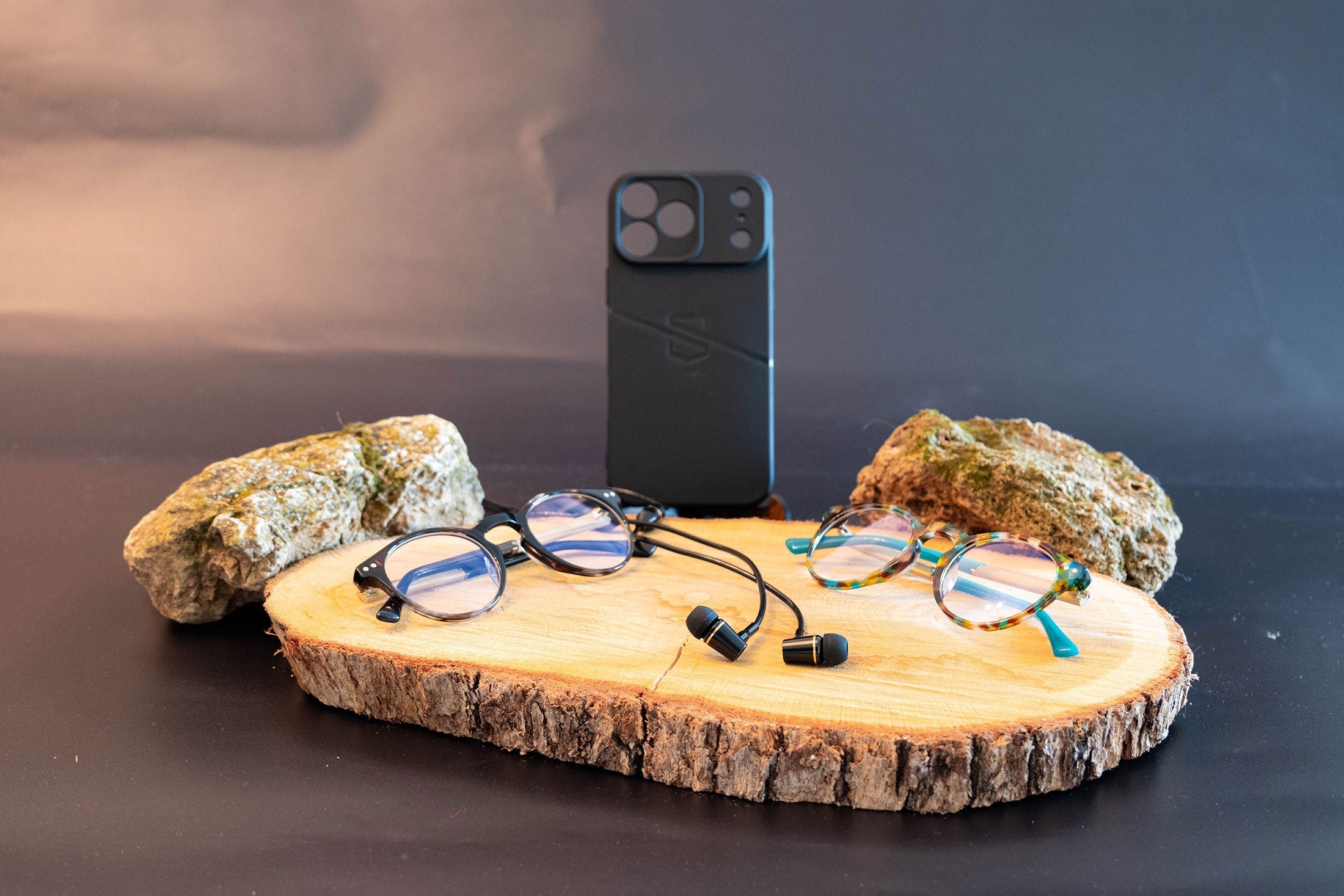
Consider pairing your child's personal protective glasses with broader household adjustments. Adding physical blue light screen filters to shared desktop computers reduces ambient glare for the whole room. Similarly, choosing radiation-shielding phone covers and keeping family spaces well-lit during evening screen use ensures that your home supports long-term visual health for everyone.
Supporting Your Child's Bright Visual Future
As technology continues to play a central role in childhood education and entertainment, taking proactive steps to protect developing eyes is one of the best gifts a parent can provide. By recognizing the signs of screen fatigue, setting balanced daily boundaries, and utilizing reliable tools like blue light blocking glasses for kids, you can keep your child's screen time safe, comfortable, and productive.
Small adjustments to your daily routine today make a lasting difference in your child's comfort, focus, and overall well-being. Prioritize their vision now so they can continue to explore, learn, and create in a digital world with confidence and complete peace of mind.