
Beyond the Headlines: Lab Brain Stimulation vs. Daily Tech
Online discussions often turn complex neurological studies into alarming health claims. A common example involves taking a laboratory experiment out of context to argue that everyday electronics like smartphones, Wi-Fi routers, or laptops pose immediate risks to brain function.
Understanding the actual physics behind these studies clarifies how researchers evaluate biological responses and highlights practical ways to reduce daily electromagnetic exposure.

1. What the Study Actually Investigated
Sensational headlines often reference laboratory papers examining frequency effects on neural tissue. For instance, a study published in Neuroscience (PubMed ID: 40032037) investigated how three distinct magnetic field frequencies—15 Hz, 3 kHz, and 70 kHz—affect mouse hippocampal CA1 neurons.
The findings showed distinct biological interactions:
- 15 Hz magnetic stimulation suppressed neuron firing and decreased cell excitability.
- 3 kHz and 70 kHz stimulation increased neuronal excitability, with 70 kHz producing the strongest facilitating effect on action potentials.
While these results demonstrate that frequency parameters directly alter cellular electrical activity, context is critical.
2. Laboratory Micro-Coils vs. Passive RF Signals
Conflating this study with daily tech safety overlooks two major physical differences:
-
Direct Micro-Magnetic Stimulation (μMS): The researchers utilized custom-built, sub-millimeter micro-coils applied directly to isolated neural tissue to induce localized electric fields. μMS is an emerging therapeutic technology similar to Transcranial Magnetic Stimulation (TMS) designed for targeted medical interventions in neurological conditions.
- Radiofrequency Radiation (RF-EMF): Consumer devices like Wi-Fi routers (2.4 GHz–5 GHz) and mobile networks operate at gigahertz frequencies. They transmit airborne electromagnetic fields over distance, which behave fundamentally differently from close-contact, low-frequency magnetic induction.
Translating direct, sub-millimeter magnetic tissue stimulation in a lab setting to passive background exposure from a phone or router misses the fundamental mechanics of the research.
3. Practical Solutions for Lowering Daily Exposure
Even though ambient radiofrequency signals differ from direct medical stimulation, many people prefer to follow the precautionary principle by minimizing unnecessary daily exposure to RF-EMF and extremely low-frequency (ELF) fields.
Here are actionable steps to lower your daily exposure:

1. Optimize Phone Usage & Shielding
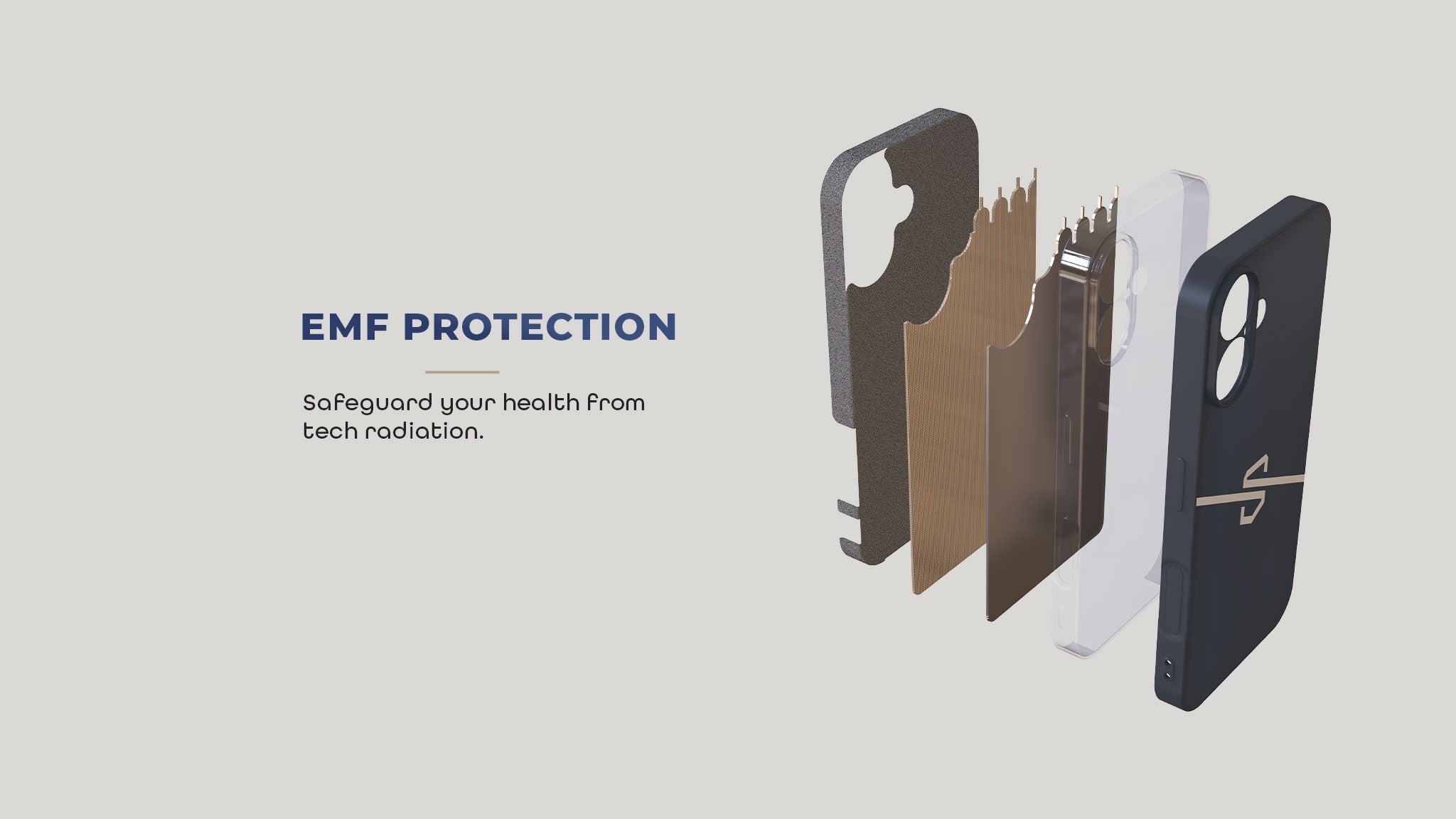
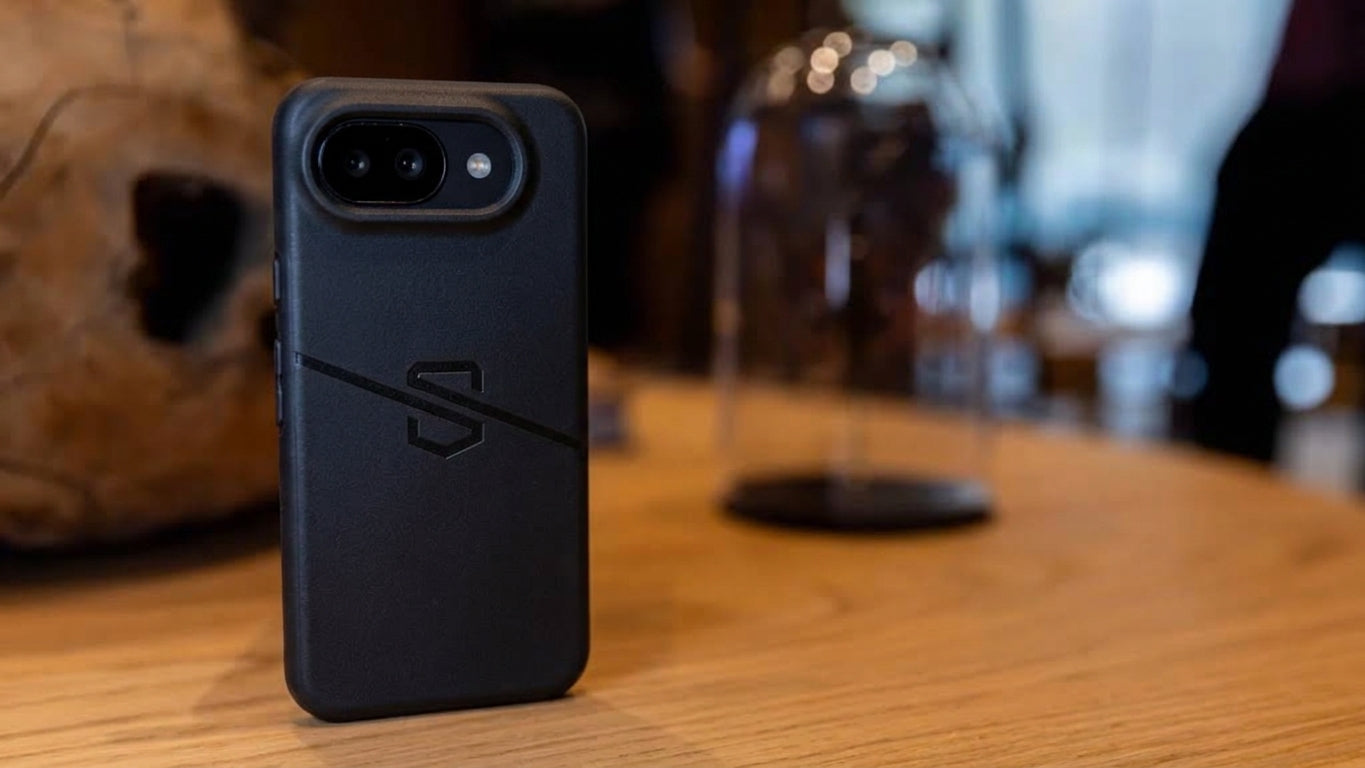
- Use Anti-Radiation / EMF-Shielding Phone Cases: Specialty phone cases incorporate multi-layered metallic shielding inside the front cover. When making calls, keeping the front flap closed reflects RF signals away from your head without blocking cellular reception from the back.
- Keep the Device at a Distance: Distance is one of the most effective filters. Using speakerphone or wired airtube headsets significantly reduces direct exposure compared to holding a phone against your ear.
2. Manage Home Wireless Environments
- Distance Your Wi-Fi Router: Place your router away from high-activity areas, especially bedrooms or home desks.
- Overnight Disconnection: Using a mechanical timer to turn off your Wi-Fi router overnight eliminates background RF radiation while you sleep, creating a lower-EMF environment for rest.
- Avoid Sleeping Near Devices: Keep smartphones off your nightstand or switch them to Airplane Mode while charging overnight.